
Introduction
If you’re running a jewelry brand today, you’re not just selling products—you’re selling visuals first.
Think about it. Before a customer reads your product description or even glances at the price, they look at your images. That one visual decides everything—whether they stay, explore, or leave.
That’s exactly why the debate around jewelry rendering vs jewelry photography has become more relevant than ever in 2026.
But here’s the thing—most articles barely scratch the surface. They compare features but don’t really help you decide what works in real-world scenarios.
So, let’s break it down properly—no fluff, just practical insights.
Understanding User Intent Behind Jewelry Visuals
Before choosing between jewelry rendering vs jewelry photography, it’s important to understand what users actually want when they search:
- Are they looking for cost comparison?
- Do they want faster product launch methods?
- Are they comparing quality and realism?
- Or trying to improve ecommerce conversions?
This guide addresses all these intent layers—helping brands make informed decisions based on real business needs.
What Is Jewelry Rendering (And Why It Matters Today)?
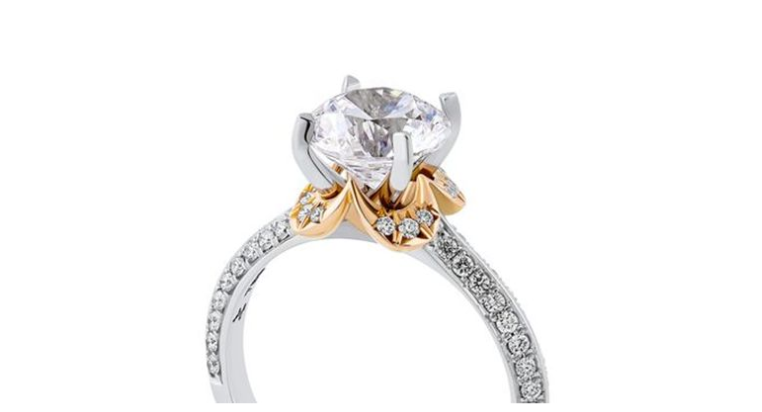
Jewelry rendering (also known as 3D jewelry rendering) is the process of creating photorealistic images using 3D models instead of physical products.
In simple terms, you can showcase your jewelry before it even exists.
It starts with a CAD design (learn more about jewelry CAD design process), which is then transformed into a lifelike image using advanced rendering software. These visuals are so detailed that most customers can’t tell the difference between a render and a real photograph.
Why Jewelry Rendering Exists
Rendering became popular because traditional methods couldn’t keep up with modern demands. Brands needed faster launches, more flexibility, and better consistency.
Here’s what pushed the shift:
- Faster product development cycles
- Growing ecommerce demand
- Increased customization options
- Need for consistent branding
Rendering solves all of these challenges in one go.
What Is Jewelry Photography (And Where It Still Wins)?
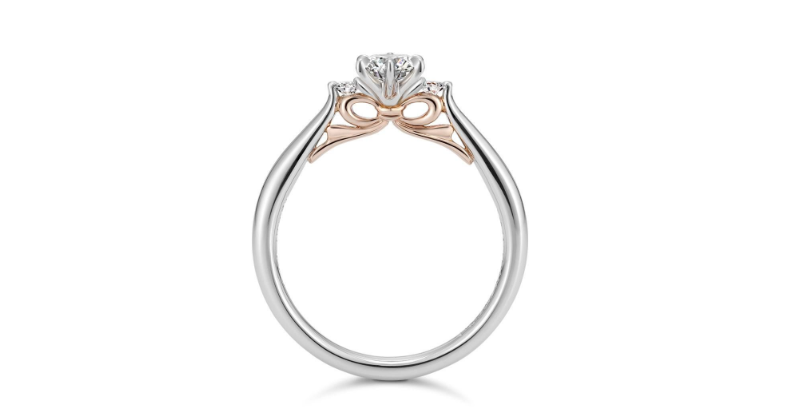
Jewelry photography is the traditional method of capturing real products using cameras, lighting, and editing tools.
And despite the rise of rendering, photography isn’t going anywhere.
Why? Because it delivers authenticity and emotional connection—something that’s still incredibly valuable.
Where Photography Stands Out
- Lifestyle and storytelling campaigns
- Social media content
- Luxury branding
- Artisan or handmade collections
That said, it does come with limitations—mainly time, cost, and flexibility.
Quick Comparison Table
Feature | Jewelry Rendering | Jewelry Photography |
|---|---|---|
Speed | Fast | Slow |
Cost | Lower long-term | Higher |
Flexibility | High | Limited |
Realism | Very high | Natural |
Best Use | Ecommerce | Branding |
Jewelry Rendering vs Photography: Key Differences
Let’s look at how they actually compare in real business scenario
1. Speed to Market
Rendering allows you to create product visuals instantly after designing. There’s no need to wait for manufacturing or photoshoots.
Photography, on the other hand, depends entirely on having the physical product ready, which can slow things down.
2. Flexibility
Rendering offers unmatched flexibility:
- Change gemstone colors instantly
- Adjust metal finishes easily
- Create multiple angles quickly
- Update visuals without reshooting
With photography, even a small change means starting over.
3. Cost Efficiency
One of the biggest deciding factors in jewelry rendering vs jewelry photography is cost.
Rendering requires an initial setup cost for 3D modeling, but after that, creating multiple images becomes significantly cheaper. You don’t need repeated photoshoots, studio rentals, or physical samples.
Photography, on the other hand, involves recurring costs:
- Studio setup
- Lighting equipment
- Photographer fees
- Post-production editing
Over time, rendering becomes far more cost-effective—especially for ecommerce brands with large catalogs.
4. Scalability
Scaling a jewelry business visually is much easier with rendering.
With 3D jewelry rendering, you can:
- Create hundreds of product variations instantly
- Generate images for different markets
- Localize visuals without reshooting
Photography simply doesn’t scale at the same speed. Every new product or variation requires a new shoot.
5. Customization Capability
Customization is becoming a major trend in ecommerce.
Rendering makes it possible to:
- Show different gemstone options
- Display metal variations (gold, silver, platinum)
- Offer personalized previews to customers
This level of flexibility is nearly impossible with traditional photography.
Where Jewelry Rendering Is Headed Next
The conversation around jewelry rendering vs jewelry photography is shifting—and not in a dramatic, overhyped way. What’s actually happening is more practical: tools are getting faster, workflows are getting smarter, and customer expectations are rising at the same time.
Here’s what that looks like on the ground.
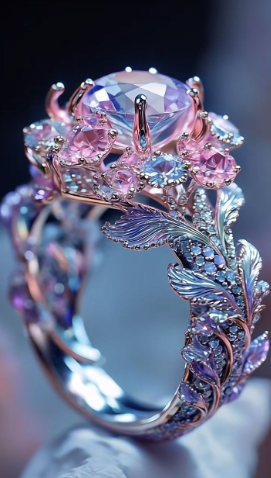
1. Faster Workflows, Not Just “AI Magic”
Rendering isn’t changing because of flashy AI claims—it’s improving because brands need speed.
What used to take days (or weeks) is now being compressed into hours. From setting up lighting to generating final outputs, everything is becoming more efficient behind the scenes.
That means brands can:
Launch products faster without waiting for physical samples
Reduce dependency on repeated photoshoots
Produce consistent visuals across large catalogs
It’s less about “AI replacing work” and more about removing bottlenecks.
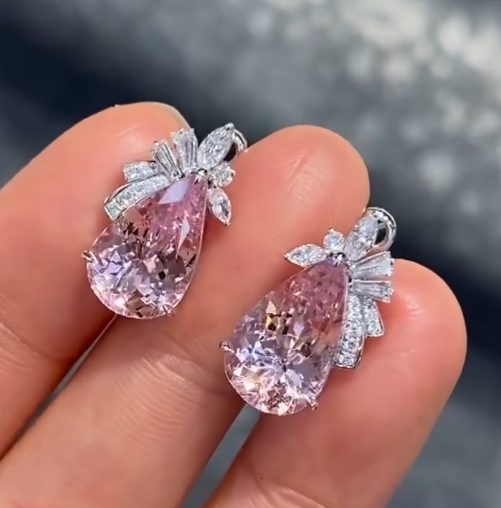
2. From Static Images to Interactive Shopping
Customers don’t just want to see jewelry anymore—they want to explore it.
We’re moving toward a more interactive experience where users can engage with products before buying. This is especially important for online jewelry, where touch and feel aren’t possible.
You’ll start seeing more:
360° product views
Real-time changes (metal, gemstone, size)
Try-on experiences using AR
This shift isn’t optional—it’s becoming the expectation.
3. Customization Is Becoming a Core Feature
Personalization isn’t a “nice-to-have” anymore—it’s quickly becoming standard.
Instead of asking customers to imagine variations, brands can now show them instantly. That changes how people buy.
Rendering makes it possible to:
Display multiple variations without extra cost
Show made-to-order designs in real time
Let customers feel involved in the creation process
And when customers can see their version of a product, they’re far more likely to convert.
4. A Clear Split Between Rendering and Photography
Rather than competing, rendering and photography are settling into different roles.
Rendering is taking over the areas where speed, scale, and flexibility matter most. Photography, meanwhile, continues to lead in emotional and brand-driven content.
Here’s how that split is shaping up:
Rendering will dominate:
Ecommerce product pages
Large catalogs and collections
Customization previews
Photography will remain essential for:
Campaign shoots
Brand storytelling
Luxury positioning
The brands doing well right now aren’t choosing one—they’re using both strategically.
Why Jewelry Rendering Is Dominating Ecommerce
The shift toward digital jewelry images vs real images is happening fast—and for good reason.
Current Trends in 2026
- Ecommerce brands prefer rendering for scalability
- Startups rely on it for faster launches
- Big brands use a mix of both
- AI is making rendering more realistic than ever
You can explore how brands are using jewelry rendering services in real scenarios here: https://thecadmaker.com/
When Should You Use Jewelry Rendering?
Jewelry rendering is the go-to solution when your business needs speed, efficiency, and scalability. If you’re constantly launching new designs or managing a large catalog, rendering helps you keep up without delays. It allows you to create high-quality visuals even before production begins, which is a huge advantage in ecommerce.
It’s also incredibly useful for brands offering customization. Instead of photographing every variation, you can simply adjust the design digitally and generate new visuals instantly.
Rendering Is Ideal If You:
- Launch products frequently
- Sell online at scale
- Offer customization options
- Need faster go-to-market strategies
In short, rendering helps you move faster and stay competitive.
When Should You Use Jewelry Photography?
Jewelry photography remains essential when your goal is to build emotional connection and brand identity. While rendering focuses on precision and efficiency, photography brings your product to life in a more human and relatable way.
It’s especially valuable for luxury brands or those that emphasize craftsmanship and storytelling. Real-life visuals can create trust and elevate perceived value.
Photography Works Best When You:
- Want emotional storytelling
- Build a luxury or artisan brand
- Run social media campaigns
- Showcase real-life usage
Simply put, photography connects emotionally in a way that visuals alone sometimes can’t.
The Smart Strategy: Use Both
Here’s the truth—this isn’t about choosing one over the other.
The most successful jewelry brands in 2026 are combining both rendering and photography to get the best results.
Rendering handles scalability and consistency, while photography adds emotion and storytelling.
A Balanced Approach Looks Like This:
- Use rendering for product catalogs and ecommerce
- Use photography for marketing and storytelling
- Blend both for high-impact campaigns
By combining both, you’re not limiting your strategy—you’re strengthening it.
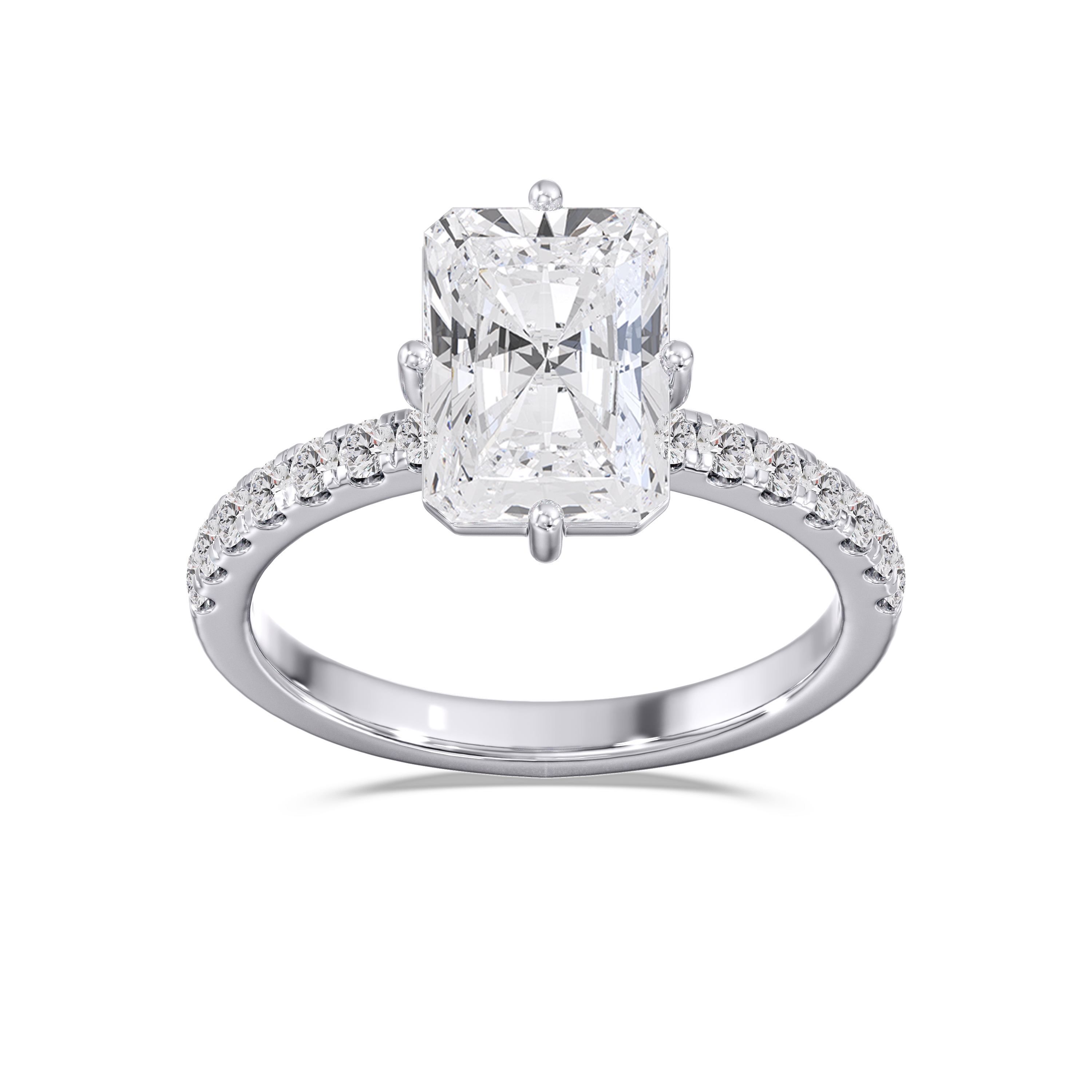
Benefits of Jewelry Rendering for Modern Brands
Let’s quickly recap why rendering is becoming essential:
- Faster product launches
- Lower long-term costs
- Easy scalability
- Consistent branding
- Flexible customization
It’s not just a trend—it’s becoming the new standard in product visualization for jewelry.
About the Author
This article is written by industry professionals specializing in jewelry rendering, CAD design, and ecommerce product visualization. With years of experience helping jewelry brands scale digitally, the insights shared here are based on real-world applications and current 2026 trends.
FAQs
What is the difference between jewelry rendering and photography?
Rendering creates digital images using 3D models, while photography captures real products.
Is jewelry rendering better for ecommerce?
Yes, because it allows faster launches, scalability, and cost efficiency.
Can rendering replace photography completely?
Not entirely. Photography is still important for branding and storytelling.
Why is jewelry rendering growing in 2026?
Because it solves major challenges like speed, flexibility, and consistency.
Why Choose TCM for Jewelry Rendering?
When it comes to jewelry rendering services, not all providers deliver the same level of quality, precision, and business understanding.
That’s where TCM (The CAD Maker) stands out.
What Makes TCM Different?
- Industry Expertise
TCM specializes in jewelry CAD design and 3D jewelry rendering, meaning every visual is crafted with technical accuracy and design intent in mind. - Photorealistic Quality
The renders are not just “good”—they’re built to match real-world lighting, reflections, and materials, making them nearly indistinguishable from photography. - Fast Turnaround
In a fast-moving ecommerce world, speed matters. TCM helps brands launch products faster without compromising quality.
Trusted by Growing Jewelry Brands
From startups to established brands, businesses rely on TCM to improve their product visualization for jewelry and stay competitive in digital marketplaces.
Explore more: https://thecadmaker.com/
Final Thoughts
The debate around jewelry rendering vs jewelry photography isn’t really about which one is better—it’s about what works best for your goals.
If you want speed and scalability, rendering is the clear winner. If you want emotional storytelling, photography still plays a key role.
But the smartest move? Use both.
Ready to Upgrade Your Jewelry Visuals?
Investing in jewelry rendering services can help you showcase products better, scale faster, and stay competitive. With 3D jewelry rendering, you can create high-quality digital jewelry images without the limits of traditional photography.
Are your visuals helping your brand grow—or holding it back?
