
Introduction
In jewelry manufacturing, waste doesn’t usually come from one big mistake, it comes from small inefficiencies repeated over time. A slightly thicker wall here, a failed casting there, a bit too much polishing, individually, they seem minor. But across hundreds or thousands of pieces, they turn into serious material loss.
For a wholesale custom jewelry manufacturer, this isn’t just an operational issue, it’s a profitability challenge.
Sustainable jewelry manufacturing isn’t about marketing claims or surface-level changes. It’s about solving real production problems: reducing rework, improving consistency, and using materials more efficiently from the start.
And here’s the truth, manufacturers who ignore this shift are quietly losing money.
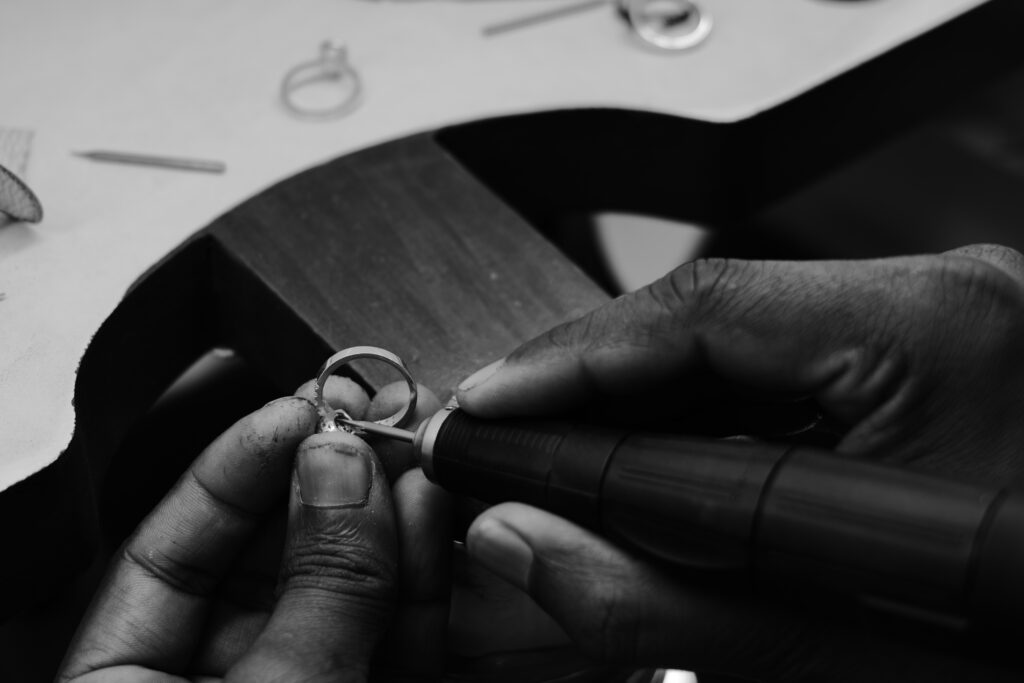
What Does Sustainable Jewelry Manufacturing Actually Mean?
Sustainable manufacturing in jewelry focuses on minimizing waste while maintaining quality and scalability.
It involves:
- Efficient material usage
- Reduced production errors
- Fewer rejected pieces
- Streamlined workflows
For a custom jewelry wholesale manufacturer, sustainability directly impacts margins, delivery timelines, and customer satisfaction.
In simple terms:
Less waste = better efficiency = higher profitability
Where Material Waste Really Happens (Manufacturing Reality)
Let’s break this down practically, because this is where most blogs stay vague, but real manufacturers know the pain points.
1. Casting Failures and Rejected Pieces
Casting is one of the most sensitive stages in jewelry production.
Common issues include:
- Porosity (air gaps in metal)
- Incomplete fills
- Weak structures
Each failed cast means:
- Material loss
- Reprocessing costs
- Production delays
As explained in real production workflows , many designs fail because they are not aligned with manufacturing constraints, leading to repeated failures.
2. Over-Engineering (Using More Metal Than Needed)
Many manufacturers intentionally add extra material to “avoid risk.”
But here’s the downside:
- Increased weight = higher cost
- More polishing required = more material removal
- Reduced efficiency in bulk production
For a custom necklace manufacturer, even a small increase in weight per piece can significantly affect total material consumption.
3. Polishing and Finishing Loss
Polishing isn’t just about shine, it’s one of the biggest hidden sources of material loss.
Problems occur when:
- Designs are too tight for tools
- Excess polishing is required
- Surfaces are difficult to access
Result?
More metal gets removed than necessary.
4. Rework and Production Corrections
Rework is where profitability quietly disappears.
Causes include:
- Incorrect sizing
- Weak structural areas
- Poor finishing quality
Each correction removes additional material and increases labor costs.
5. Inconsistent Bulk Manufacturing
For any custom jewelry wholesale manufacturer, inconsistency is a major challenge.
Small variations in production can lead to:
- Batch rejection
- Quality issues
- Increased waste
Consistency isn’t just about quality—it’s about controlling material usage at scale.
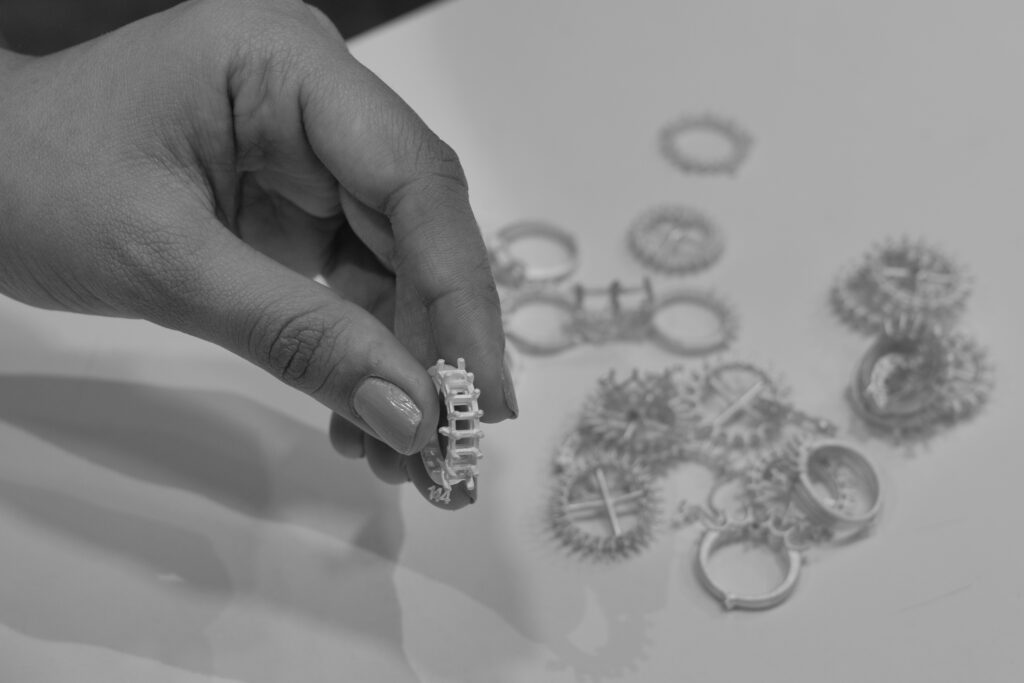
How Modern Manufacturing Reduces Material Waste
Now let’s move to what actually works, not theory, but practical improvements used by leading manufacturers.
1. Production-Ready Design Approach
Modern manufacturing starts before production even begins.
Designs are evaluated based on:
- Structural strength
- Material efficiency
- Production feasibility
This eliminates common issues early, reducing waste during casting and finishing.
This shift, from design-first to production-first thinking, is critical.
2. Accurate Material Planning
Instead of guessing, manufacturers now rely on precise calculations.
Benefits include:
- Controlled metal usage
- Consistent product weight
- Reduced excess trimming
For a wholesale custom jewelry manufacturer, this creates predictable cost structures.
3. Reducing Trial-and-Error Cycles
Traditional workflows often follow this pattern:
Design → Produce → Fail → Fix → Repeat
Modern workflows aim for:
Design → Validate → Produce once
This reduces:
- Sampling cycles
- Material waste
- Production delays
4. Efficient Casting Processes
Improved casting techniques ensure:
- Better metal flow
- Reduced defects
- Higher success rates
This directly minimizes rejected pieces and material loss.
5. Smarter Finishing Workflows
Sustainable manufacturing improves finishing by:
- Designing for tool accessibility
- Reducing unnecessary polishing
- Maintaining consistent surface quality
For a custom necklace manufacturer, this means less metal removal and faster production.
Why Expertise in Manufacturing Matters.
In jewelry manufacturing, this means:
- Understanding real production challenges
- Applying practical solutions
- Demonstrating process knowledge
This blog is built on real manufacturing workflows and production insights—not generic theory.
Structured Insights for Quick Understanding (Featured Snippet Ready)
What causes material waste in jewelry manufacturing?
Material waste is caused by casting failures, overuse of metal, excessive polishing, rework, and inconsistent production processes.
How can manufacturers reduce material waste?
Manufacturers can reduce waste by improving production planning, minimizing errors, optimizing material usage, and reducing rework.
Why is sustainable manufacturing important?
It lowers costs, improves efficiency, ensures consistent quality, and supports long-term business growth.
Internal Resource for Deeper Understanding
If you want to understand how manufacturing-ready processes improve production success, check this: https://thecadmaker.com/production-ready-jewelry-cad
It explains how aligning design with manufacturing reduces failures and material waste.
Business Impact: Why This Matters More Than Ever
Let’s connect this to real business outcomes.
Reducing material waste leads to:
- Lower raw material costs
- Faster delivery timelines
- Higher production efficiency
- Better scalability
For a wholesale custom jewelry manufacturer, this is the difference between stable growth and constant production issues.
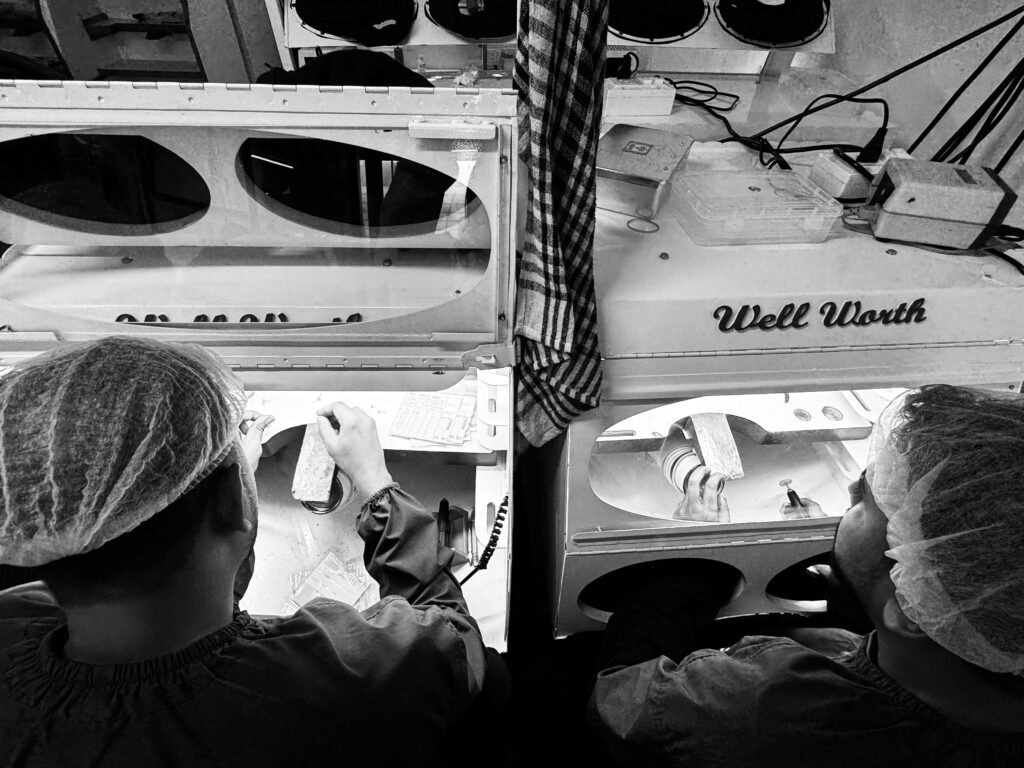
Choosing the Right Manufacturing Partner
If you’re outsourcing production, your manufacturer plays a huge role in sustainability.
Look for:
- Process-driven production
- Consistent quality control
- Efficient material usage
- Experience in bulk manufacturing
A reliable custom jewelry wholesale manufacturer doesn’t just produce—they optimize.
Frequently Asked Questions
What is sustainable jewelry manufacturing?
It’s the process of producing jewelry while minimizing waste, improving efficiency, and reducing environmental impact.
How does manufacturing efficiency reduce waste?
Efficient processes reduce errors, minimize rework, and ensure accurate material usage.
Why do casting failures happen?
They occur due to poor design alignment, improper material flow, and structural weaknesses.
Can small manufacturers apply these methods?
Yes. Even small improvements in process efficiency can significantly reduce waste.
What should I look for in a custom necklace manufacturer?
Look for consistency, efficient workflows, and a strong focus on reducing material waste.
Conclusion: Sustainability Is a Process, Not a Trend
Sustainable jewelry manufacturing isn’t about making dramatic changes overnight. It’s about refining processes, improving accuracy, and eliminating inefficiencies step by step.
From reducing casting failures to optimizing finishing, every improvement contributes to lower material waste and better production outcomes.
For any custom necklace manufacturer or wholesale custom jewelry manufacturer, the goal is clear:
1. Produce efficiently
2. Minimize waste
3. Scale with confidence
Because in modern manufacturing, sustainability isn’t just good for the environment, it’s essential for business success.
