
Production-Ready Jewelry CAD: Why Your Designs Fail in Manufacturing
Introduction
Many jewelry CAD designs look perfect on screen—but fail the moment they reach manufacturing.
Issues like broken prongs, porosity, incorrect sizing, or polishing limitations are common reasons why designs get rejected by casting houses. These problems lead to production delays, increased costs, and repeated revisions.
This is where production-ready jewelry CAD design becomes critical.
By applying Design for Manufacturing principles, jewelry CAD models are optimized for casting, stone setting, and finishing before production begins. This ensures that your design is not just visually accurate—but physically viable and ready for manufacturing.
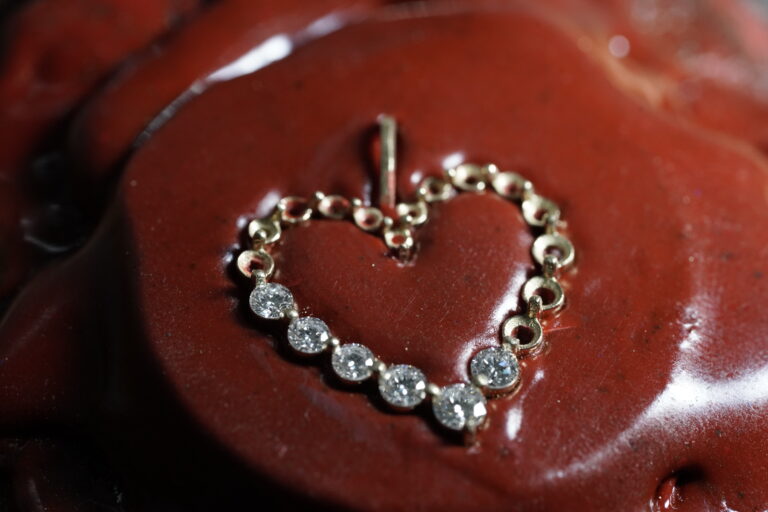
What Is Production-Ready Jewelry CAD?
Production-ready jewelry CAD refers to 3D CAD models that are specifically designed for manufacturing processes such as casting, polishing, and stone setting.
Unlike visual-only CAD models, production-ready designs consider:
- metal behavior during casting
- structural strength and durability
- stone setting accuracy
- polishing and finishing accessibility
The goal is simple:
Ensure the final jewelry piece matches the design without failures or rework.
Why Jewelry CAD Designs Fail in Manufacturing
There is a fundamental gap between digital design and physical production.
CAD software allows designers to create perfect visuals, but real-world manufacturing follows physical constraints.
Common reasons why jewelry CAD designs fail:
- prongs designed too thin for stone setting
- uneven wall thickness causing casting defects
- lack of space for polishing tools
- Incorrect scaling due to metal shrinkage
- weak structural support for daily wear
This leads to a typical workflow:
Design → CAD → Casting Failure → Redesign → Delay
Production-ready CAD eliminates this cycle by solving issues before manufacturing begins.
Key Factors of Production-Ready Jewelry CAD Design
To ensure a CAD model is ready for manufacturing, several critical factors must be considered.
1. Metal Shrinkage and Accurate Sizing
Precious metals shrink as they cool after casting.
If this is not accounted for during the CAD stage, the final jewelry piece will be incorrectly sized.
Production-ready CAD applies precise shrinkage calculations to ensure accurate final dimensions.
2. Prong Strength and Stone Security
Prongs that look delicate in renders often fail during stone setting.
A production-ready design ensures:
- strong base structure
- proper tapering
- accurate stone seating
This prevents loose stones, breakage, and long-term durability issues.
3. Polishing Accessibility
Intricate designs often ignore a critical reality:
If a tool cannot reach a surface, it cannot be polished.
Production-ready CAD ensures sufficient spacing so polishing tools can access all areas of the jewelry piece, maintaining finish quality.
4. Wall Thickness and Casting Flow
Metal needs proper flow during casting.
- Too thin → incomplete casting (short cast)
- Too thick → shrinkage defects and porosity
Optimized wall thickness ensures:
- smooth metal flow
- structural strength
- consistent casting quality
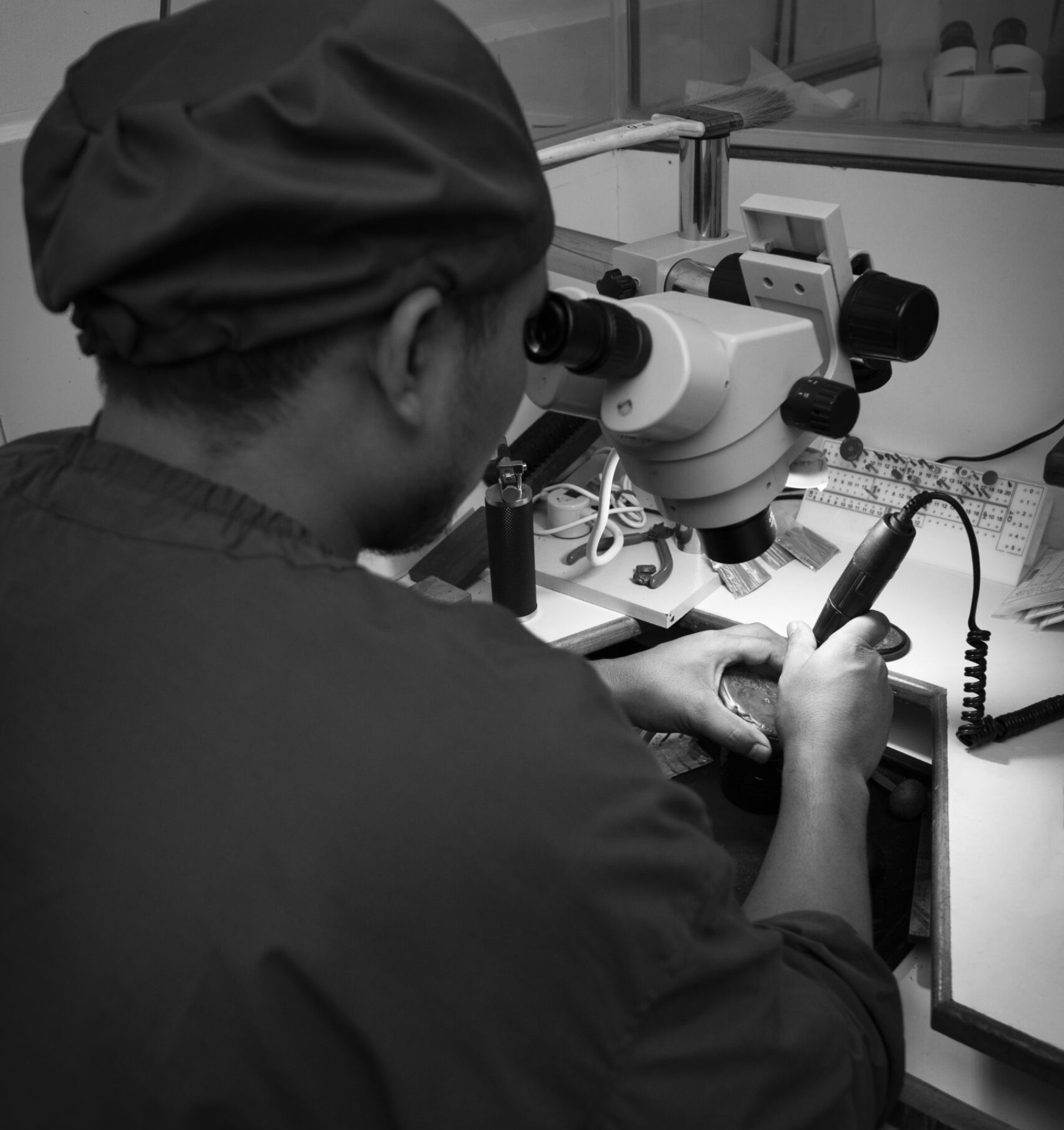
Jewelry CAD Design vs Traditional Jewelry Design
Traditional jewelry design methods rely heavily on manual processes such as wax carving and physical prototyping.
Jewelry CAD design offers a more efficient and precise approach.
Key Differences:
Manual and time-consuming | Fast and scalable |
Limited precision | High accuracy |
Trial-and-error based | Predictable results |
Late-stage error detection | Early-stage optimization |
Production-ready CAD takes this further by ensuring designs are manufacturing-ready from the start, reducing costly revisions.
The Business Impact of Poor CAD Design
Ignoring production-ready CAD can directly impact your business.
Common consequences:
- Wasted metal costs from failed casting
- Manufacturing fees for rejected designs
- Delays in product launches
- Quality issues leading to returns
- Damage to brand reputation
In contrast, production-ready CAD provides:
- consistent product quality
- faster turnaround times
- predictable manufacturing outcomes
- reduced production costs
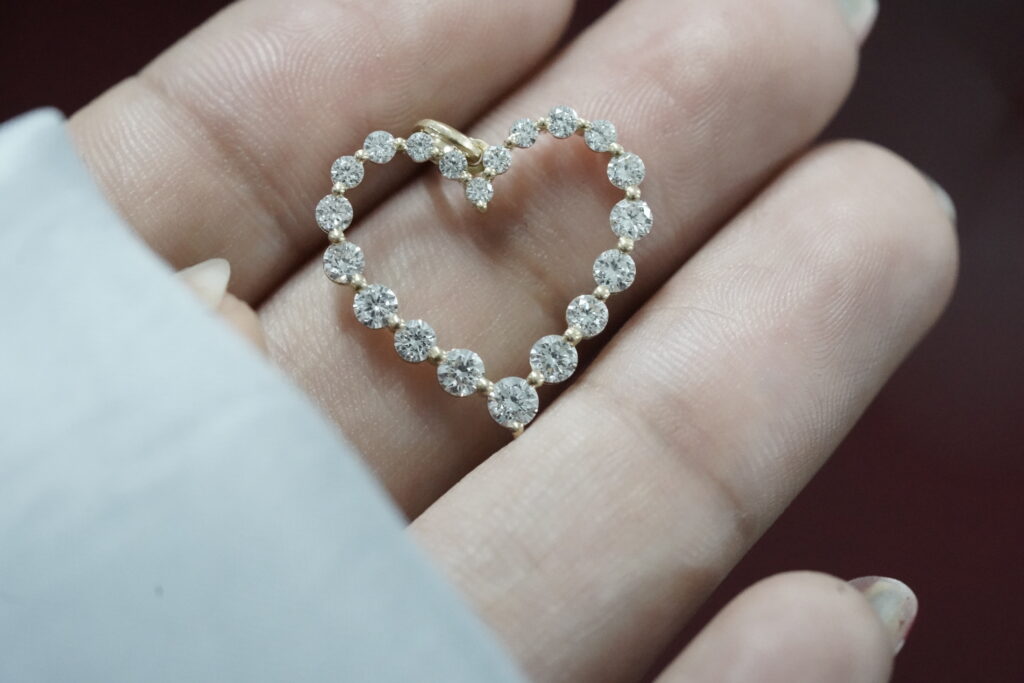
Who Needs Production-Ready Jewelry CAD?
Production-ready CAD is essential for:
Jewelry Designers
To ensure designs are manufacturable without repeated revisions.
Jewelry Brands
To maintain consistency and reduce production risks at scale.
Jewelry Manufacturers
To streamline workflows and minimize casting failures.
Custom Jewelry Businesses
To deliver reliable, durable products to clients.
From Design to Engineering: A Necessary Shift
Modern jewelry design is no longer just about creativity—it requires engineering precision.
Production-ready CAD enables designers to:
- create complex designs confidently
- ensure durability and wearability
- scale production efficiently
The most successful jewelry brands combine design aesthetics with technical accuracy.
Get Your Jewelry CAD Production-Ready
If your designs are facing casting issues, delays, or repeated revisions, the problem is not the design—it is the lack of production readiness.
At The CAD Maker, we help jewelry designers and brands transform their CAD files into manufacturing-ready assets.
Get your CAD designs reviewed and optimized for production.
Frequently Asked Questions
What is production-ready jewelry CAD?
It is a CAD model designed specifically to meet manufacturing requirements such as casting, polishing, and stone setting.
Why do CAD designs fail in casting?
Failures occur due to issues like thin structures, improper wall thickness, or lack of manufacturing considerations.
Can existing CAD files be optimized?
Yes. Existing designs can be reviewed and modified to meet production standards.
What is Design for Manufacturing in jewelry design?
Design for Manufacturing ensures that CAD models are created with real-world production constraints in mind.
